Recovery Housing
PEARL’s Recovery Housing offers a safe, supportive living environment for people rebuilding their lives during recovery. Our homes provide structure, accountability, and a supportive community where residents can practice skills through peer support, groups, and programming at our Peer Recovery Center while transitioning toward independent living. House rules and mutual support agreements help residents stay focused during a critical stage of their recovery.
Beyond shelter, our recovery housing program connects residents to peer support, recovery meetings, and employment resources. Living alongside others who understand recovery reduces isolation and reinforces stability. This combination of structure and community has been shown to lower relapse risk and support long-term recovery outcomes.
Apply for Housing
Peer Recovery Support
Peer recovery support connects individuals with trained peer specialists who have lived experience with substance use and recovery. These peers offer understanding, shared language, and proof that recovery is possible. They walk alongside individuals through every stage, offering encouragement and nonjudgmental support during moments of doubt or crisis.
This relationship-based support reduces isolation and builds recovery capital, helping individuals navigate treatment systems and difficult transitions. Because it is rooted in mutual respect rather than hierarchy, peer support often reaches people who feel disconnected from traditional care, making it an essential complement to clinical treatment.
Ask about this service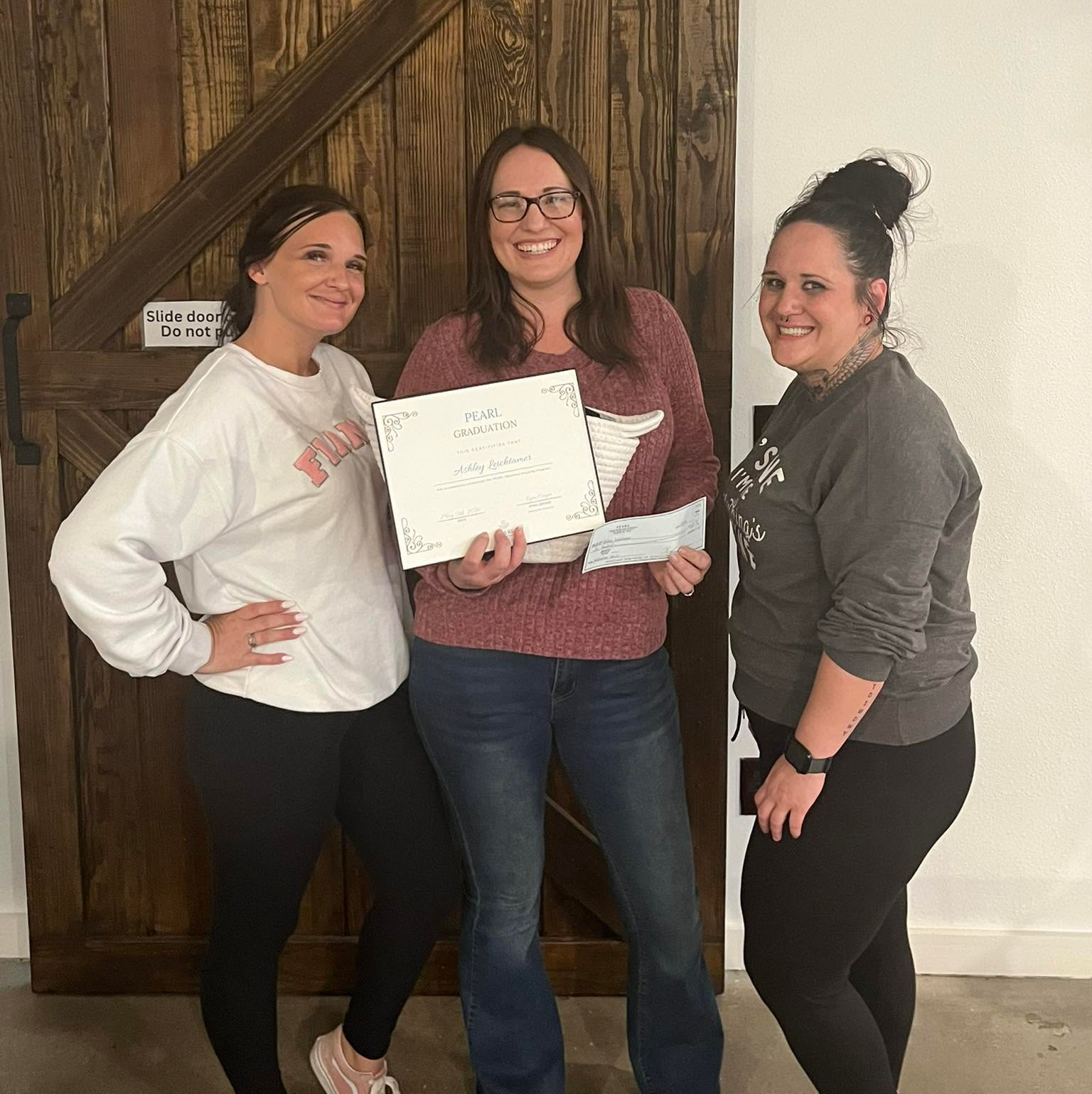
Recovery-Friendly Activities
Recovery-friendly activities give individuals in recovery safe, substance-free spaces to socialize and rebuild a sense of identity outside substance use. Game nights, sports leagues, art workshops, and community outings fill the social void early recovery can create, offering healthy alternatives to old routines and environments.
These activities strengthen the broader recovery community by connecting people across every stage of their journey, from newly sober to years in recovery. The friendships formed often become lasting sources of accountability, reinforcing that recovery means building a full, meaningful life, not just abstaining from substances.
Ask about this service
Workforce Navigation
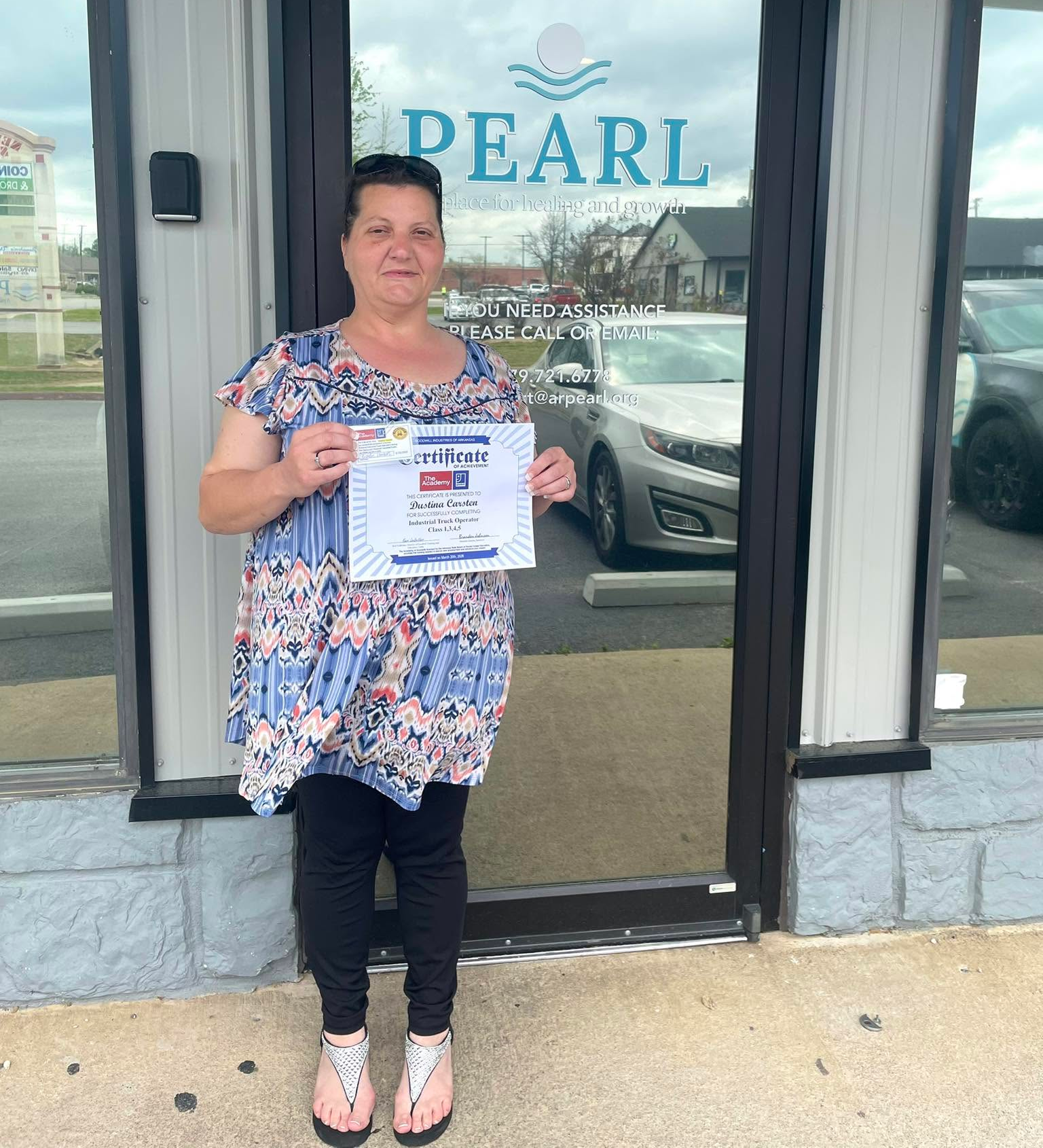
Workforce navigation helps individuals in recovery overcome barriers to stable employment. Services include resume building, interview preparation, and identifying recovery-friendly employers, while addressing challenges such as employment gaps or limited work history. Navigators work one-on-one to set realistic goals and build a step-by-step plan forward.
Employment offers financial stability, structure, and self-worth, all central to sustained recovery. Workforce navigation often connects participants with training programs, certifications, and employer partnerships willing to give qualified candidates a second chance, helping individuals move toward independence while reinforcing the stability their recovery depends on.
Ask about this service
Prevention Services
Prevention services focus on reducing substance use before it starts or escalates, particularly among youth, families, and at-risk populations. Programs include education on the risks of substance use, early intervention for warning signs, and outreach that builds resilience, often delivered in schools, community centers, and family settings.
By addressing root causes such as trauma and lack of support, prevention services strengthen protective factors that reduce future risk. Programs also educate parents and community members on recognizing early warning signs. Investing in prevention lowers future demand for treatment while building healthier, more informed communities.
Ask about this service
Pantry Services
Pantry services provide individuals and families in recovery with access to food, hygiene products, and other basic necessities during periods of financial instability. Meeting these fundamental needs is often a prerequisite to focusing on treatment, employment, or housing, since long-term goals are hard to prioritize when food security is unmet.
Beyond addressing hunger, pantry services create an informal point of connection to the recovery community, giving staff and volunteers a chance to check in and share information about other resources. This low-barrier access point is often a trusted first step toward engaging further support.
Ask about this service
Recovery Meetings and Community Resources
Recovery meetings offer individuals regular opportunities to connect with others who share the goal of maintaining sobriety. Whether rooted in 12-step traditions, peer-led models, or other formats, meetings provide structure, accountability, and belonging, as attendees share experience and learn from one another in a confidential setting.
Community recovery resources add referral networks and connections to housing, healthcare, and employment support, helping individuals navigate a complex landscape at every stage of their journey. By fostering ongoing community, these resources reduce isolation and reinforce that recovery is a shared, sustained effort.
As a designated Recovery Community Organization (RCO), PEARL supports all pathways to recovery. Whether your path includes 12-step programs, SMART Recovery, faith-based support, medication-assisted treatment, or something else entirely, you are welcome here.
Ask about this service